Introduction
Monopoly jewelry has become a popular term among jewelry enthusiasts who appreciate exclusive designs, premium craftsmanship, and timeless elegance. Whether worn for personal expression, fashion statements, or long-term investment, monopoly jewelry represents a unique segment of the jewelry market that combines luxury with exclusivity.
In today’s competitive fashion landscape, monopoly jewelry stands out because of its distinctive appeal and high-quality materials. Consumers are increasingly looking for pieces that reflect individuality while maintaining exceptional standards of design. As a result, monopoly jewelry has gained significant attention from collectors, investors, and style-conscious buyers alike.
This comprehensive guide explores every aspect of monopoly jewelry, including its characteristics, benefits, trends, purchasing considerations, and future potential.
What Is Monopoly Jewelry?
Monopoly jewelry refers to exclusive and premium jewelry collections that dominate specific market niches through unique designs, superior craftsmanship, and limited availability. Unlike mass-produced accessories, monopoly jewelry often emphasizes rarity and prestige.
Many consumers associate monopoly jewelry with luxury brands that have established strong reputations within the industry. These pieces are typically crafted using precious metals, diamonds, gemstones, and innovative techniques that enhance their value and appeal.
The appeal of monopoly jewelry lies in its exclusivity. Buyers often seek these items because they offer a sense of distinction that ordinary jewelry cannot provide. Whether it’s a custom necklace, limited-edition bracelet, or rare gemstone ring, monopoly jewelry helps individuals showcase their personal style while owning something truly special.
Another defining characteristic of monopoly jewelry is its ability to maintain long-term desirability. Because many pieces are produced in limited quantities, they often remain sought after for years, increasing their prestige among collectors and enthusiasts.
The History and Evolution of Monopoly Jewelry
The concept behind monopoly jewelry can be traced back to ancient civilizations where jewelry symbolized wealth, status, and power. Royal families and aristocrats commissioned exclusive pieces that only a select few could possess, creating early examples of what we now consider monopoly jewelry.
Throughout history, artisans developed increasingly sophisticated techniques to create intricate jewelry designs. During the Renaissance and Victorian eras, exclusive jewelry became a symbol of social standing. The foundations of modern monopoly jewelry emerged as wealthy patrons sought custom-made creations that reflected their prestige.
In the twentieth century, luxury jewelry brands expanded globally, introducing iconic collections that defined the modern monopoly jewelry market. These brands focused on craftsmanship, heritage, and exclusivity, helping establish jewelry as both a fashion accessory and an investment asset.
Today, monopoly jewelry continues to evolve through technological innovation and contemporary design trends. Advanced manufacturing methods, ethical sourcing practices, and digital customization options have transformed how consumers experience monopoly jewelry while preserving its core values of exclusivity and quality.
Key Features That Make Monopoly Jewelry Unique
Several factors distinguish monopoly jewelry from standard jewelry products. Understanding these characteristics can help buyers appreciate why monopoly jewelry commands premium prices and strong market demand.
The first defining feature of monopoly jewelry is exceptional craftsmanship. Skilled artisans dedicate significant time and expertise to producing each piece, ensuring meticulous attention to detail. Every element, from gemstone setting to metal finishing, contributes to the overall quality of monopoly jewelry.
Another important aspect of monopoly jewelry is the use of premium materials. High-quality gold, platinum, diamonds, sapphires, emeralds, and other precious gemstones are commonly incorporated into these exclusive designs. The superior materials enhance both the aesthetic appeal and durability of monopoly jewelry.
Exclusivity also plays a major role in defining monopoly jewelry. Limited production runs and custom-made designs create scarcity, increasing desirability among collectors and fashion enthusiasts. This exclusivity helps maintain the prestige associated with monopoly jewelry.
Brand reputation further strengthens the value of monopoly jewelry. Established luxury brands often invest decades in building trust, innovation, and recognition. Consumers purchasing monopoly jewelry from reputable sources gain confidence in authenticity, craftsmanship, and long-term value.
Benefits of Investing in Monopoly Jewelry
Many consumers view monopoly jewelry as more than a fashion accessory. It can also serve as a valuable investment with potential long-term returns.
One significant advantage of monopoly jewelry is value retention. Unlike many consumer goods that depreciate rapidly, high-quality monopoly jewelry often maintains or increases its worth over time. Limited-edition pieces and rare gemstones are particularly attractive to investors.
Another benefit of monopoly jewelry is portfolio diversification. Investors seeking alternatives to traditional assets may include jewelry as part of a broader wealth preservation strategy. Because monopoly jewelry combines intrinsic material value with collector demand, it offers unique investment characteristics.
Emotional value is another reason people invest in monopoly jewelry. Many pieces become cherished family heirlooms passed down through generations. This sentimental significance adds an additional layer of worth beyond financial considerations.
The global demand for luxury products also supports the appeal of monopoly jewelry. As affluent consumers continue to seek exclusive experiences and possessions, the market for premium jewelry remains strong, creating favorable conditions for long-term appreciation.
Furthermore, monopoly jewelry offers a tangible asset that owners can enjoy while potentially benefiting from future value growth. This combination of utility and investment potential distinguishes monopoly jewelry from many other luxury purchases.
Popular Trends in Monopoly Jewelry
Fashion trends continually influence the design and popularity of monopoly jewelry. Understanding current preferences can help buyers make informed purchasing decisions.
One major trend in monopoly jewelry is personalization. Consumers increasingly desire customized pieces featuring initials, birthstones, meaningful symbols, and unique engravings. Personalized monopoly jewelry creates deeper emotional connections and enhances exclusivity.
Sustainability has also become a defining trend within the monopoly jewelry industry. Ethical sourcing, recycled metals, and conflict-free gemstones are increasingly important to modern buyers. Brands offering sustainable monopoly jewelry often attract environmentally conscious consumers.
Minimalist aesthetics continue to influence monopoly jewelry design. Elegant, understated pieces featuring clean lines and subtle details appeal to individuals seeking timeless sophistication. This approach ensures monopoly jewelry remains versatile across different occasions and fashion styles.
Bold statement pieces represent another growing trend in monopoly jewelry. Oversized gemstones, artistic designs, and innovative structures allow wearers to express individuality while showcasing luxury craftsmanship.
Technology is also shaping the future of monopoly jewelry. Digital customization platforms, virtual try-on experiences, and advanced design software enable consumers to engage with monopoly jewelry in new and exciting ways.
These evolving trends demonstrate how monopoly jewelry adapts to changing consumer preferences while maintaining its commitment to exclusivity and excellence.
How to Choose the Best Monopoly Jewelry
Selecting the right monopoly jewelry requires careful consideration of several important factors. Buyers should evaluate quality, style, authenticity, and long-term value before making a purchase.
The first step in choosing monopoly jewelry is determining personal preferences. Whether seeking classic elegance or contemporary innovation, understanding individual style helps narrow available options and ensures satisfaction with the chosen piece.
Material quality is another crucial consideration when purchasing monopoly jewelry. Buyers should verify the purity of precious metals and the authenticity of gemstones. Certifications from reputable organizations provide additional assurance regarding the quality of monopoly jewelry.
Brand reputation should also influence purchasing decisions. Established brands known for producing exceptional monopoly jewelry typically maintain rigorous quality standards and offer comprehensive customer support. Researching reviews and company history can help identify trustworthy sources.
Budget planning is essential when investing in monopoly jewelry. While premium pieces often command higher prices, buyers should focus on long-term value rather than short-term cost considerations. Well-crafted monopoly jewelry may deliver greater satisfaction and appreciation potential over time.
Maintenance requirements should not be overlooked. Proper care helps preserve the beauty and value of monopoly jewelry, making it important to understand cleaning, storage, and servicing recommendations before purchasing.
By carefully evaluating these factors, consumers can confidently select monopoly jewelry that aligns with their goals, preferences, and financial considerations.
Caring for and Maintaining Monopoly Jewelry
Proper maintenance is essential for preserving the appearance and value of monopoly jewelry. Even the finest pieces require regular care to remain in excellent condition.
Cleaning is one of the most important aspects of monopoly jewelry maintenance. Dirt, oils, and environmental contaminants can accumulate over time, reducing brilliance and shine. Gentle cleaning methods help restore the original beauty of monopoly jewelry without causing damage.
Safe storage is equally important for protecting monopoly jewelry. Individual compartments, soft-lined jewelry boxes, and protective pouches prevent scratches and minimize exposure to harmful elements. Proper storage extends the lifespan of monopoly jewelry and preserves its visual appeal.
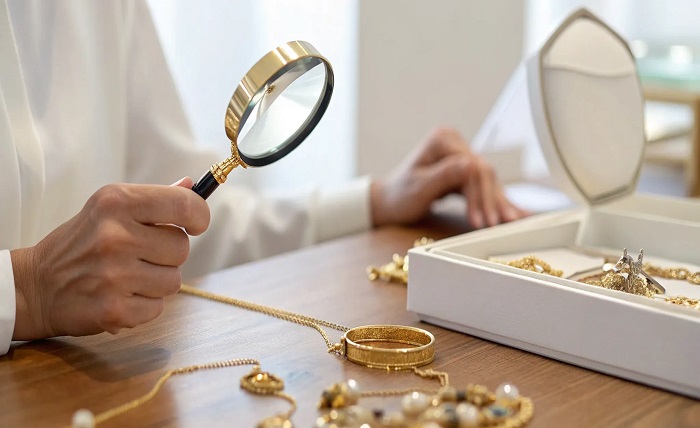
Regular inspections can identify potential issues before they become serious problems. Professional jewelers can examine monopoly jewelry for loose stones, worn prongs, and structural concerns, ensuring continued durability and security.
Insurance is another valuable consideration for owners of monopoly jewelry. Comprehensive coverage protects against theft, loss, and accidental damage, providing peace of mind for valuable collections.
By following appropriate maintenance practices, owners can ensure their monopoly jewelry remains beautiful and valuable for many years to come.
The Future of Monopoly Jewelry
The future of monopoly jewelry appears promising as consumer demand for luxury, exclusivity, and personalization continues to grow. Emerging technologies and evolving market preferences are expected to create new opportunities within the industry.
Artificial intelligence and digital design tools are transforming how monopoly jewelry is created and customized. Consumers can now participate directly in the design process, resulting in highly personalized pieces that reflect individual tastes.
Sustainability will likely play an increasingly important role in the future of monopoly jewelry. Ethical sourcing, transparent supply chains, and environmentally responsible production methods are becoming essential considerations for both brands and consumers.
Global luxury markets continue to expand, creating additional demand for premium monopoly jewelry. As wealth increases in emerging economies, more consumers are expected to seek exclusive jewelry products that symbolize success and sophistication.
Innovation, craftsmanship, and exclusivity will remain central to the identity of monopoly jewelry, ensuring its relevance and appeal in the years ahead.
Conclusion
Monopoly jewelry represents the perfect combination of luxury, exclusivity, craftsmanship, and investment potential. From its historical origins to modern innovations, monopoly jewelry continues to captivate consumers who value distinctive designs and exceptional quality. Whether purchased as a fashion statement, collectible asset, or treasured heirloom, monopoly jewelry offers enduring appeal that transcends changing trends. By understanding its features, benefits, and maintenance requirements, buyers can make informed decisions and fully appreciate the unique value that monopoly jewelry brings to their lives.
FAQs
1. What is monopoly jewelry?
Monopoly jewelry refers to exclusive, high-quality jewelry collections characterized by premium materials, superior craftsmanship, and limited availability.
2. Is monopoly jewelry a good investment?
Yes, monopoly jewelry can be a valuable investment because many pieces retain or increase their value over time, especially those featuring rare gemstones or limited-edition designs.
3. How can I verify the authenticity of monopoly jewelry?
To verify monopoly jewelry, purchase from reputable sellers, request certification documents, and seek professional appraisals when necessary.
4. What materials are commonly used in monopoly jewelry?
Monopoly jewelry often includes gold, platinum, diamonds, sapphires, emeralds, and other premium gemstones selected for quality and durability.
5. How should monopoly jewelry be maintained?
Regular cleaning, proper storage, professional inspections, and insurance coverage help preserve the beauty and value of monopoly jewelry over time.