Introduction
Khasra Sankhya is one of the most important terms in Indian land and revenue records. Whether you are purchasing agricultural land, verifying ownership, applying for a loan, or checking government land records, understanding Khasra Sankhya is essential. This unique number helps identify a specific parcel of land within a village and plays a crucial role in maintaining accurate land records.
In rural and agricultural areas, Khasra Sankhya acts as the primary reference for land identification. Government revenue departments use Khasra Sankhya to maintain transparency and prevent disputes related to land ownership. Knowing how Khasra Sankhya works can help landowners, buyers, and investors make informed decisions regarding property transactions.
What is Khasra Sankhya?
Khasra Sankhya is a unique survey or plot number assigned to a piece of land by the revenue department. The purpose of Khasra Sankhya is to distinguish one land parcel from another within a specific village or revenue area.
Every agricultural field or land plot receives a separate Khasra Sankhya, making it easier for authorities to track ownership, cultivation details, and land usage. The Khasra Sankhya is recorded in official land records maintained by state governments.
The concept of Khasra Sankhya has been used for decades in India and remains one of the most reliable methods for identifying land parcels. Whenever a land transaction occurs, the Khasra Sankhya is referenced to verify the property’s legal status.
History and Purpose of Khasra Sankhya
The system of Khasra Sankhya originated during the land revenue administration era when governments needed a structured way to record agricultural lands. Over time, the Khasra Sankhya system evolved into a standardized method used across many Indian states.
The primary purpose of Khasra Sankhya is to maintain accurate land records and facilitate revenue collection. Government officials use Khasra Sankhya to identify the exact location, area, ownership details, and cultivation status of a land parcel.
Without Khasra Sankhya, managing millions of land records would be extremely difficult. The numbering system helps prevent confusion and ensures that every plot can be uniquely identified.
Another important objective of Khasra Sankhya is dispute resolution. When ownership conflicts arise, officials often rely on Khasra Sankhya records to establish the legal history of the land.
Importance of Khasra Sankhya in Land Records
The importance of Khasra Sankhya cannot be overstated. It serves as the foundation of land administration and property verification. Every official land document references Khasra Sankhya to identify the concerned property.
One major advantage of Khasra Sankhya is transparency. Since each plot has a distinct number, property details can be accessed more easily through government portals. This transparency reduces the chances of fraud and illegal transactions.
Another reason why Khasra Sankhya is important is its role in ownership verification. Buyers can use Khasra Sankhya to confirm whether the seller legally owns the land. This verification process protects buyers from future disputes.
Financial institutions also rely on Khasra Sankhya when evaluating agricultural land for loans. The number helps banks verify land records before approving financial assistance.
Government agencies use Khasra Sankhya for development projects, compensation calculations, and land acquisition processes. Therefore, Khasra Sankhya remains a critical component of land governance.
How Khasra Sankhya is Assigned
The process of assigning Khasra Sankhya begins during land surveys conducted by revenue authorities. Survey teams measure the land, mark boundaries, and create official records. After the survey is completed, a unique Khasra Sankhya is allotted to each plot.
The assigned Khasra Sankhya becomes part of the village land records and remains associated with the plot unless official changes occur. If a land parcel is subdivided, new Khasra Sankhya numbers may be assigned to the resulting portions.
Revenue officials maintain records related to Khasra Sankhya in government registers and digital databases. These records include ownership information, land area, cultivation status, and transaction history.
The accuracy of Khasra Sankhya assignment is essential because errors can lead to legal complications and ownership disputes. Therefore, revenue departments regularly update records linked to Khasra Sankhya.
How to Check Khasra Sankhya Online
With the digitization of land records, checking Khasra Sankhya has become easier than ever. Most Indian states now provide online portals where citizens can access land information using Khasra Sankhya.
To check Khasra Sankhya online, users typically visit the official land records website of their state. They select the district, tehsil, village, and other required details. After entering the relevant information, the system displays records associated with the Khasra Sankhya.
Online access to Khasra Sankhya records offers several benefits. It saves time, reduces paperwork, and improves transparency. Citizens can verify ownership details, land area, and historical records without visiting government offices.
When checking Khasra Sankhya online, users should ensure they are accessing official government websites to avoid misinformation. Accurate Khasra Sankhya verification is crucial before purchasing or transferring land.
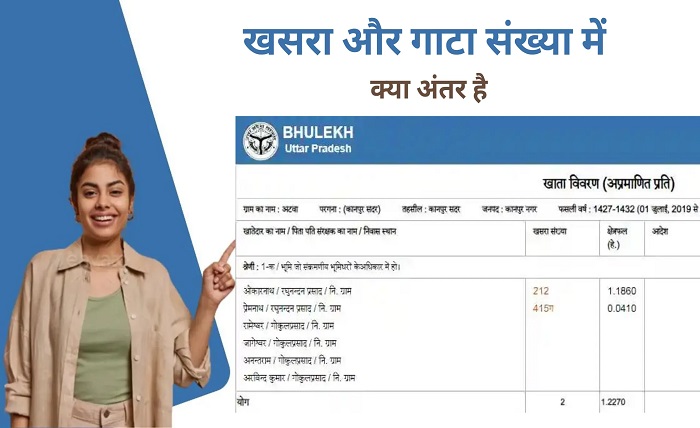
Difference Between Khasra Sankhya and Khata Number
Many people confuse Khasra Sankhya with the Khata Number, but both serve different purposes. Understanding the distinction between Khasra Sankhya and Khata Number is important for interpreting land records correctly.
Khasra Sankhya identifies a specific land parcel or plot. It focuses on the physical piece of land and its location. Each plot generally has its own Khasra Sankhya.
A Khata Number, on the other hand, represents an account of land ownership. One individual may own multiple plots with different Khasra Sankhya numbers under a single Khata Number.
For example, a farmer may own three separate plots, each with a unique Khasra Sankhya. However, all three plots may be recorded under one Khata Number because they belong to the same owner.
Therefore, while Khasra Sankhya identifies land, the Khata Number identifies ownership accounts. Both are essential for maintaining complete land records.
Common Uses of Khasra Sankhya
The practical applications of Khasra Sankhya extend beyond basic land identification. Government departments, financial institutions, and property buyers frequently use Khasra Sankhya for various purposes.
One common use of Khasra Sankhya is property verification. Buyers check Khasra Sankhya records before finalizing transactions to confirm ownership and legal status.
Agricultural subsidies often require Khasra Sankhya details during the application process. Farmers use Khasra Sankhya to prove ownership or cultivation rights when seeking government benefits.
Banks and lending institutions request Khasra Sankhya information when evaluating land-based loan applications. The number helps verify the authenticity of land records.
Revenue departments use Khasra Sankhya for tax assessment and land revenue collection. Accurate Khasra Sankhya records ensure proper administration and compliance.
Land acquisition authorities also depend on Khasra Sankhya during infrastructure projects. Compensation calculations are often based on records linked to Khasra Sankhya.
Legal Significance of Khasra Sankhya
The legal significance of Khasra Sankhya makes it one of the most valuable components of land documentation. Courts, government agencies, and legal professionals frequently reference Khasra Sankhya during property-related proceedings.
When ownership disputes occur, Khasra Sankhya records help establish the legal identity of the land. Historical entries linked to Khasra Sankhya can provide evidence regarding ownership and possession.
Property registration documents often mention Khasra Sankhya to ensure clarity and accuracy. The inclusion of Khasra Sankhya reduces ambiguity and strengthens legal documentation.
In inheritance cases, Khasra Sankhya records help identify the land being transferred to heirs. Accurate Khasra Sankhya information ensures smooth succession and property distribution.
Because of its legal importance, landowners should regularly verify the accuracy of records associated with Khasra Sankhya.
Conclusion
Khasra Sankhya is a vital element of India’s land record system. It serves as a unique identifier for land parcels, enabling accurate documentation, ownership verification, and dispute resolution. The importance of Khasra Sankhya extends to property transactions, agricultural activities, financial services, and government administration.
Understanding Khasra Sankhya can help landowners, buyers, farmers, and investors make informed decisions regarding land-related matters. As land records continue to become digital, accessing and verifying Khasra Sankhya information has become more convenient and transparent. Whether you are purchasing land or simply reviewing property records, knowledge of Khasra Sankhya is essential for ensuring legal and financial security.
FAQs
1. What is Khasra Sankhya?
Khasra Sankhya is a unique identification number assigned to a specific land parcel in revenue records.
2. Why is Khasra Sankhya important?
Khasra Sankhya is important because it helps identify land, verify ownership, prevent disputes, and maintain accurate records.
3. Can I check Khasra Sankhya online?
Yes, most state governments provide online portals where citizens can search land records using Khasra Sankhya.
4. Is Khasra Sankhya the same as a Khata Number?
No, Khasra Sankhya identifies a land plot, while a Khata Number identifies the ownership account associated with one or more plots.
5. Where can I find my Khasra Sankhya?
You can find your Khasra Sankhya in land records, revenue documents, property papers, or on official state land record portals.